Are Machiya Cold in Winter? What Matters for a Kyoto Stay
Yes, traditional machiya can be very cold in winter. For a Kyoto rental, look beyond “renovated” and check two things: what insulation was added, and which spaces the heating actually covers.
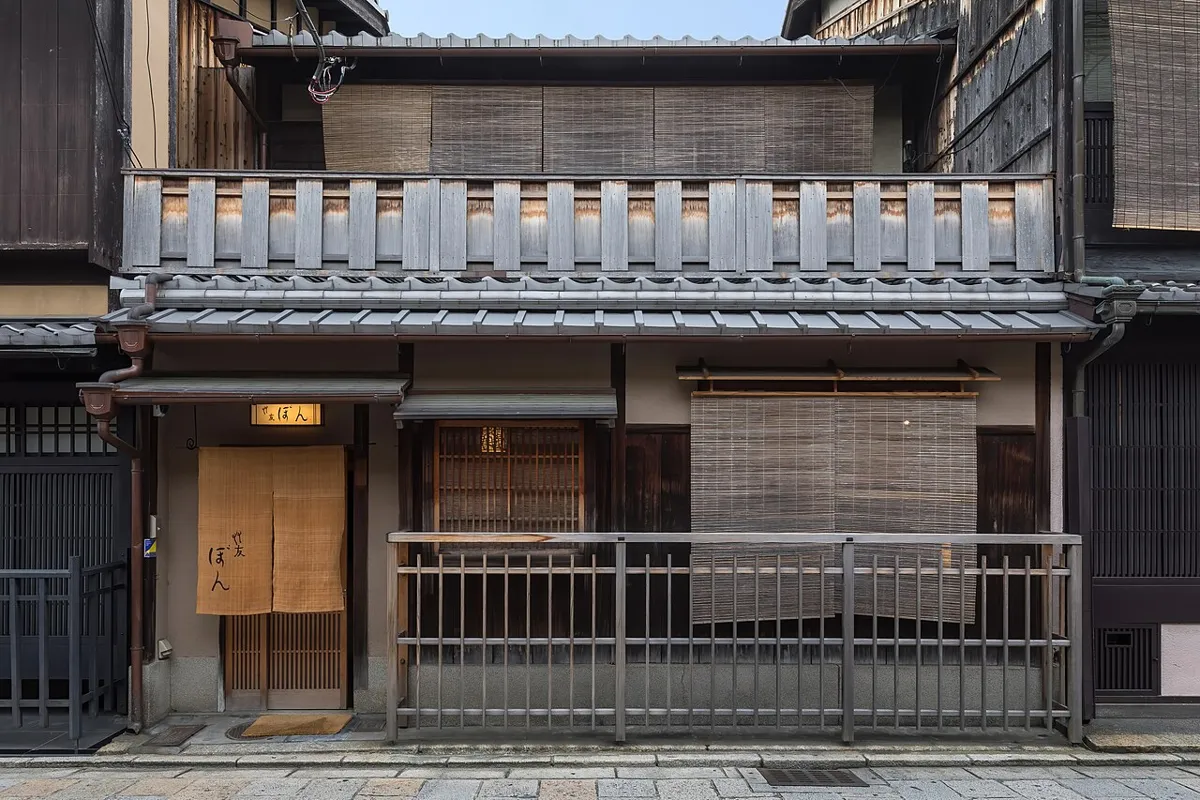

Machiya are Kyoto’s traditional wooden townhouses, combining living space with space for business. Staying in one offers a connection to that everyday building tradition. But if you picture evenings together in the living room followed by nights in separate bedrooms, the heating details need to match that picture.
Why the traditional design matters
Courtyards helped draw air through these deep buildings in summer. That airflow has a winter trade-off: cold air can pass through too. It explains why traditional machiya can be chilly, without telling you how every renovated rental will perform.
Traditional character and modern adaptations can coexist. The useful question is what changed during the renovation, especially beyond the room shown in the main photograph.
Insulation and heating do different jobs
Insulation helps retain heat; heating equipment supplies it. A description that mentions one leaves a separate question about the other.
Look for specific renovation details, such as insulation in walls and ceilings. Then look for heating equipment tied to named rooms or floors. “Renovated”, “heating” and “air conditioning” are less useful on their own than a description of what serves each space you’ll use.
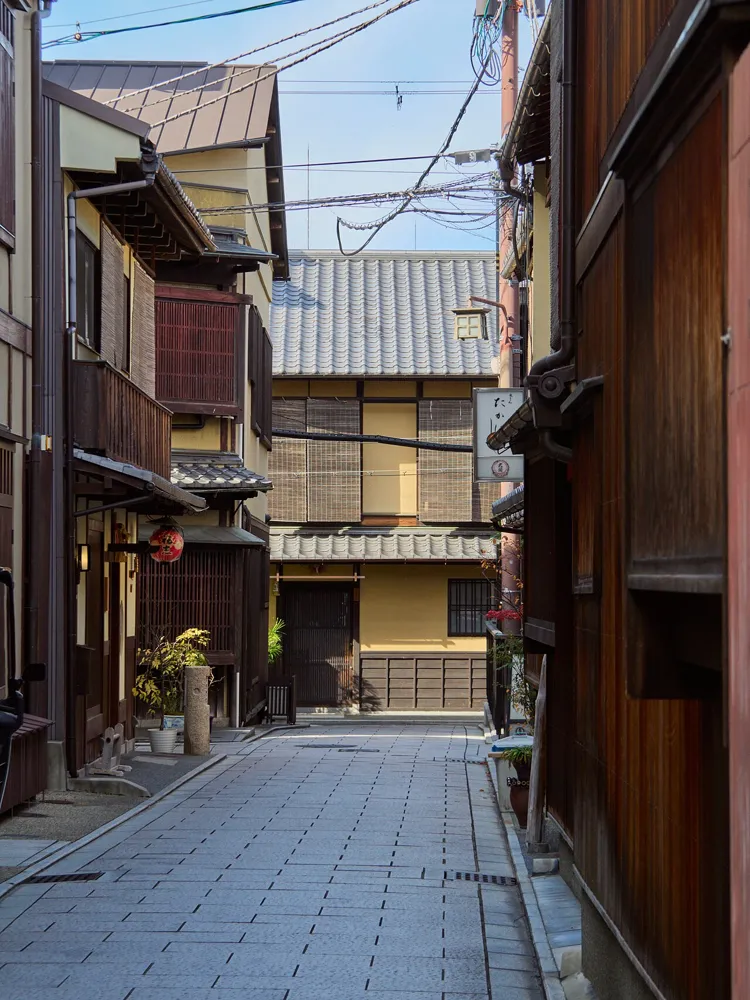

Living together, sleeping in separate rooms
Gojo Samurai Machiya, a holiday rental townhouse, shows why both matter for a winter stay. Its renovation combined wall and ceiling insulation with floor heating across the ground floor and a radiator in the upstairs Western-style bedroom. Use it as an example of how to assess a rental, rather than a recommendation of winter comfort.
Small ground-floor rooms became a larger living space, with paper doors retaining the option to partition off a private room. That gives guests space to spend time together, but the sleeping arrangements deserve a separate look: there are two tatami rooms, with mat flooring and futons for sleeping, plus a Western-style bedroom with two single beds.
| Feature | What it means for your stay | What to check |
|---|---|---|
| Wall and ceiling insulation | The renovation addressed retaining heat as well as supplying it. | Which parts of the house were insulated? |
| Floor heating across the ground floor | Heating extends across the floor containing the shared living space. | Does that include the bathroom and toilet? |
| Radiator in the upstairs Western-style bedroom | This sleeping room has its own identified heat source. | What heats the other sleeping rooms you intend to use? |
| Air conditioning in all rooms | Each room has an air-conditioning unit. | Which units have a winter heating mode? |
For a group spreading across several bedrooms, heating in the main living space won’t settle the winter-comfort question. Match each sleeping room you need to its heat source, rather than assuming the upstairs radiator serves the tatami rooms too.
Before choosing your winter rental
Once room coverage is clear, ask the host three additional questions:
- Can guests control the heating?
- Can it stay on overnight?
- Are there any heating charges?
If heating coverage remains unclear in a room you need, hold off on that booking until it’s clarified.
Sources and evidence limits
Sources: Rinn’s explanation of Kyoto machiya design and the Gojo Samurai Machiya operator’s property presentation, both retrieved 2 November 2026. Both pages are undated commercial sources. Gojo’s installation descriptions do not verify current operation, and neither source supplies independent thermal assessments, measured indoor temperatures or warm-up times. The radiator is specifically documented for the upstairs Western-style bedroom; the tatami rooms’ floors and heating are unspecified. The air-conditioning description does not establish winter heating capability. The documented features support questions about suitability, not a guarantee of winter comfort.