Where to Stay in Chicago for a Boutique Hotel
Choose the Loop if you want downtown sightseeing and a hotel with historic club character. Pick River North for galleries and blues evenings, or West Loop if dinner is likely to be the main event. For a boutique stay in Chicago, the neighbourhood is a useful first decision: it shapes what you’ll enjoy outside the hotel as much as the building shapes your stay inside it.

Chicago’s cultural character gives you several ways into the city. A former sporting club can frame a downtown stay, converted warehouses hold galleries, and amplified blues gives an evening out a connection to the city’s history. You don’t need to squeeze all of that into one base. Choose the experience you want to keep coming back to.
| Neighbourhood | What you can enjoy | Choose it when |
|---|---|---|
| Loop | Millennium Park, public sculpture and historic club surroundings | Downtown sights should lead the trip |
| South Loop | Large outdoor murals, cafes and music clubs | You prefer a more residential setting with things going on |
| River North | Galleries in former warehouses and blues evenings | Art and late nights are part of the appeal |
| West Loop | Restaurant Row and Greek cultural experiences | Eating out deserves centre stage |
| Wicker Park | Boutique shopping and a park on a former elevated railway | Browsing shops and spending time outdoors sound like a good day |
| Hyde Park | A distinct South Side cultural identity and locally inspired hotel design | Neighbourhood character matters most |
Loop: downtown sights and historic hotel character
The Loop is Chicago’s central downtown district, a strong choice when sightseeing is your priority. Millennium Park gives the stay a clear focus: it’s the downtown green space containing Cloud Gate, the city’s famous public sculpture.
Chicago Athletic Association hotel adds a specific historical connection. Its building began as an elite men’s social and sporting club in 1893, on Michigan Avenue. Consider it when the idea of staying in a former club appeals as much as the downtown location. This pairing suits a sight-led trip better than a search for a residential neighbourhood atmosphere.
South Loop: murals and a more residential setting
South Loop offers a relatively quieter, more residential alternative to the Loop and River North, while still having cafes, restaurants and jazz and blues clubs.
Its Wabash Arts Corridor is an outdoor public-art area featuring large-scale murals by artists from around the world. Choose this base if you’d enjoy making art part of an ordinary day out, with places to eat and hear music still in the mix.
River North: galleries followed by blues
River North combines galleries and studios in former warehouse buildings with nightlife that can continue into the early morning. It makes sense when you want art during the day and reasons to stay out after dinner. If late-night activity holds little appeal, favour another base.
Blue Chicago is a blues venue here, associated with the city’s electrified blues tradition. That sound has roots in African American migration from the South: musicians brought Delta blues north and developed an amplified urban style. A blues evening offers one way to connect with that history.

West Loop: let dinner lead
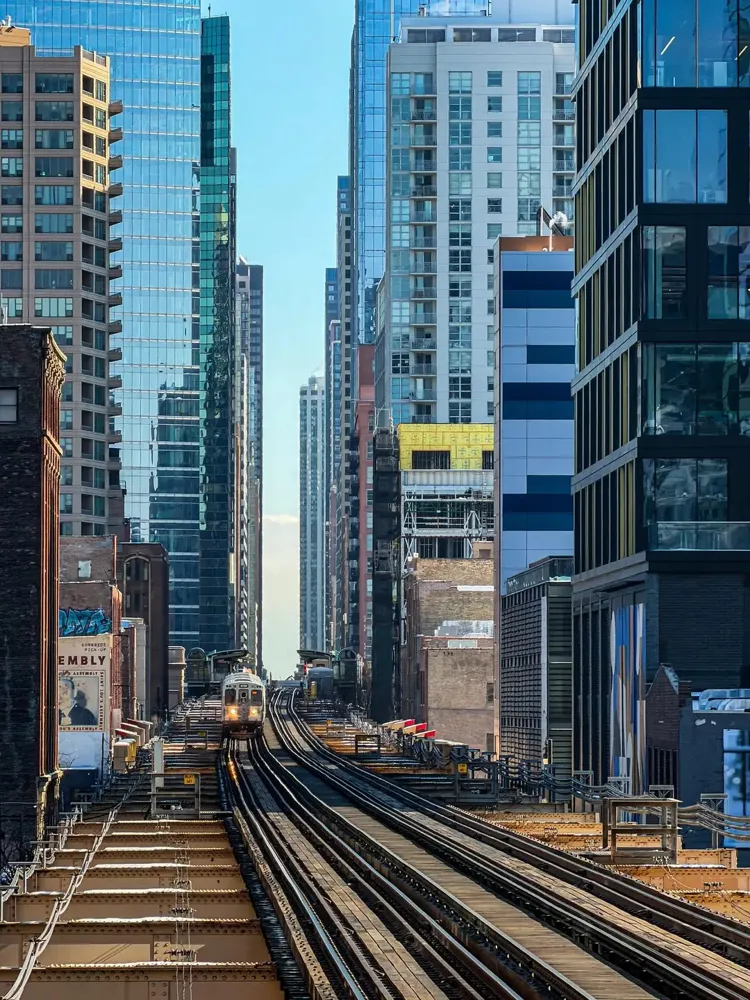
West Loop is a former meat-packing district whose dining identity centres partly on Restaurant Row, a stretch of Randolph Street. Choose it when restaurants will organise your evenings more than downtown sightseeing will organise your days.
There’s cultural substance alongside the dining. Greektown is the area’s Greek enclave, with traditional restaurants, bakeries and delis. The National Hellenic Museum adds a place to explore Greek culture, giving a food-focused stay another dimension.
Wicker Park: shopping and time outdoors
Wicker Park suits a trip built around browsing rather than a downtown sights checklist. The area around Milwaukee, North and Damen avenues brings together local boutiques and bigger brands.
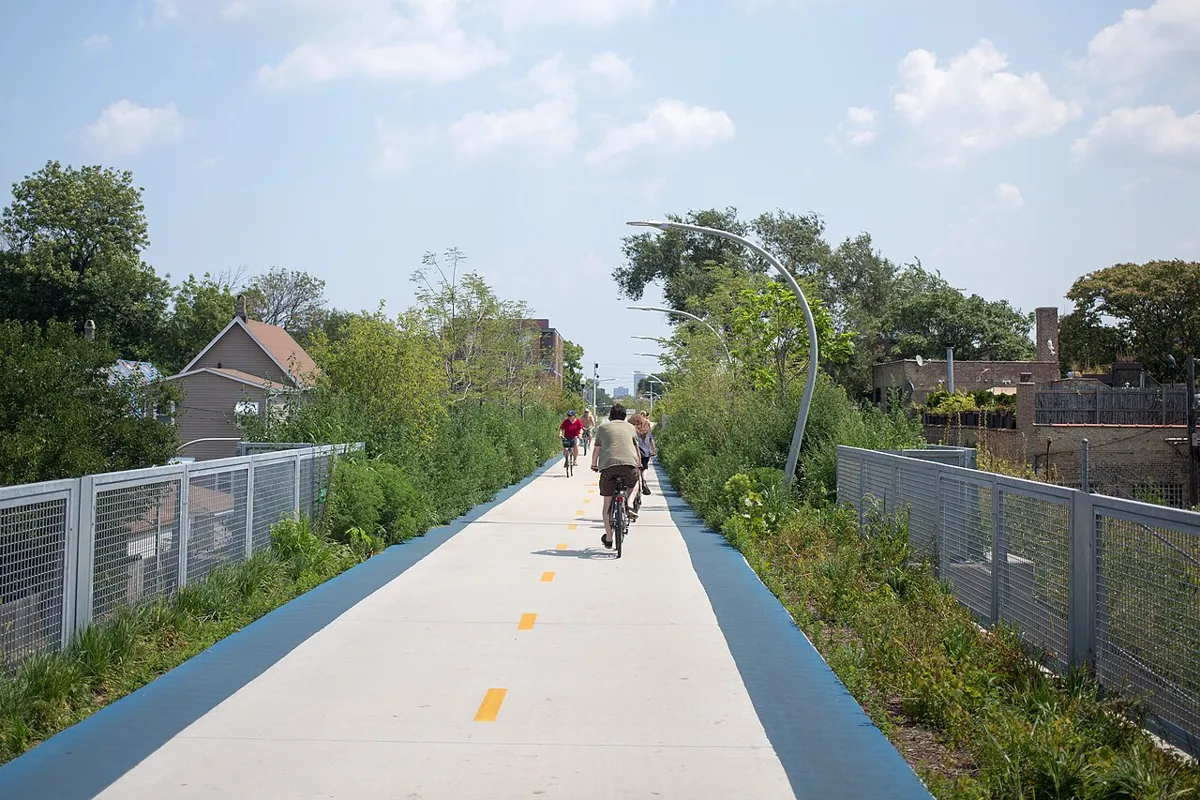
The 606 adds an outdoor counterpoint: it’s a former elevated railway transformed into a pedestrian park and pathway. Choose Wicker Park if a day combining shops with time on that repurposed railway sounds more appealing than making Millennium Park your main focus.
Hyde Park: a hotel connected to its neighbourhood
Hyde Park is a South Side neighbourhood with a distinct community identity and historical contributions to arts, music and science. It suits travellers who want that local cultural character to shape the stay.
Sophy Hyde Park hotel makes the connection explicit through design that pays homage to the neighbourhood and its influential residents. It’s a reason to consider the hotel for its relationship to the area, especially if locally inspired design is part of what you want from a boutique stay.
One distinction matters across these choices: neighbourhood bustle and nightlife don’t establish how quiet a particular bedroom will be.
For a downtown-focused trip, start with the Loop and Chicago Athletic Association’s former-club setting. Choose River North for gallery days and blues evenings, or West Loop for a restaurant-led stay. South Loop, Wicker Park and Hyde Park become stronger choices when murals, shopping and outdoor time, or neighbourhood-inspired design are what draw you to Chicago.