Ground-floor hotel rooms in Venice: what acqua alta means for your stay
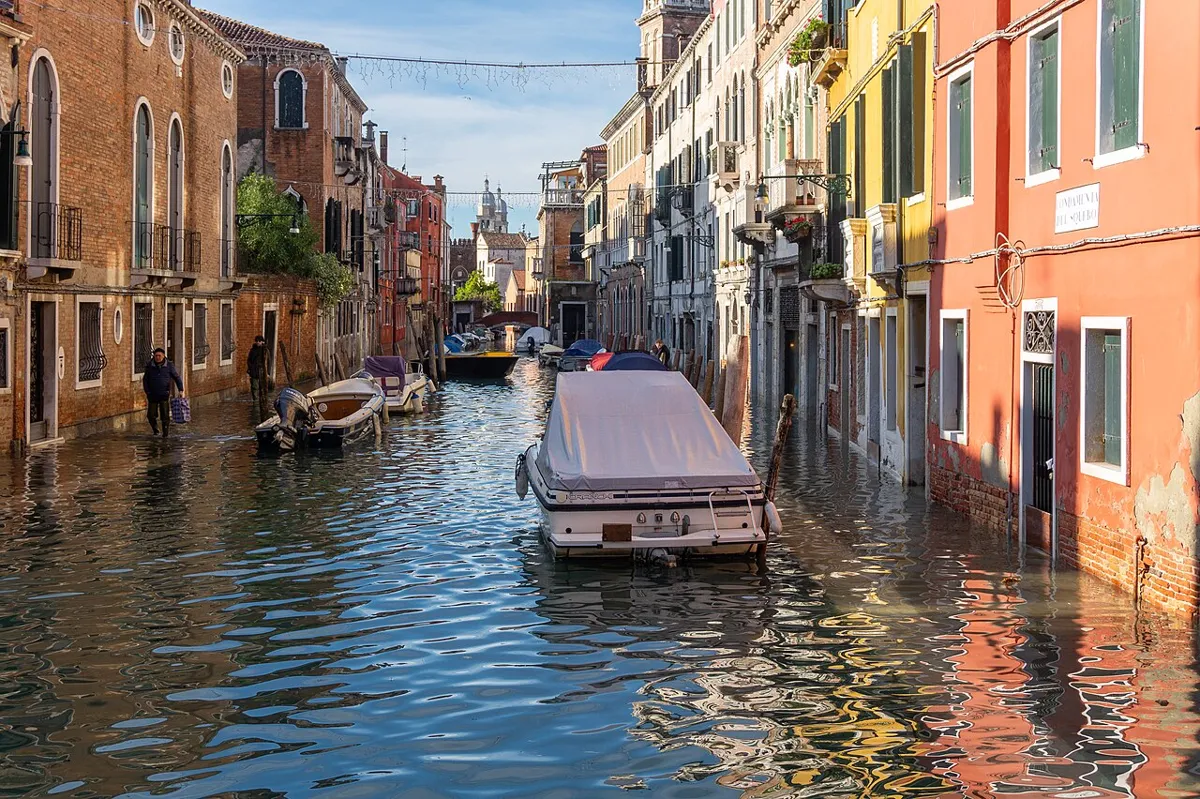
A ground-floor hotel room in Venice can make sense if you want to avoid stairs, but the floor label alone is no reason to accept or reject it. Choose on three things: the exact bedroom’s exposure to water, how the entrance works during high water, and whether you can get from that entrance to your room.

Venice’s relationship with water reaches into its cultural spaces. Libreria Acqua Alta, a bookshop in the Castello district, stores books in gondolas, bathtubs and waterproof containers in response to flooding. It’s a memorable example of adaptation, but your accommodation choice needs more specific answers than a general reassurance that Venice manages high water.
Ground floor or upper floor?
| Room choice or access need | Practical benefit | What it doesn’t settle |
|---|---|---|
| Ground-floor bedroom | Can avoid stairs and dependence on a lift | Whether that particular room is exposed to flooding |
| Upper-floor bedroom | Puts more height between the bedroom and potential ground-level flooding | Whether the room is protected and the entrance and route upstairs remain usable |
| Upper-floor bedroom when you need a lift | Can make an upper room suitable without using stairs | Whether the whole route is step-free, or what happens if the lift is unavailable |
Why flooding varies across Venice
Acqua alta means “high water”: exceptional tidal peaks that periodically cause flooding in the Venetian Lagoon. Ground levels vary. Piazza San Marco, or St Mark’s Square, is a low reference point; the ground immediately in front of the train station is comparatively high. That comparison helps explain local differences, but it doesn’t establish that a whole neighbourhood or a particular hotel stays dry.
MOSE, a system of mobile barriers, helps prevent water entering a large part of Venice. That protection is useful context, not a guarantee for an individual bedroom or entrance. Keep the booking decision focused on the property’s own arrangements.

A dry bedroom is only part of arrival
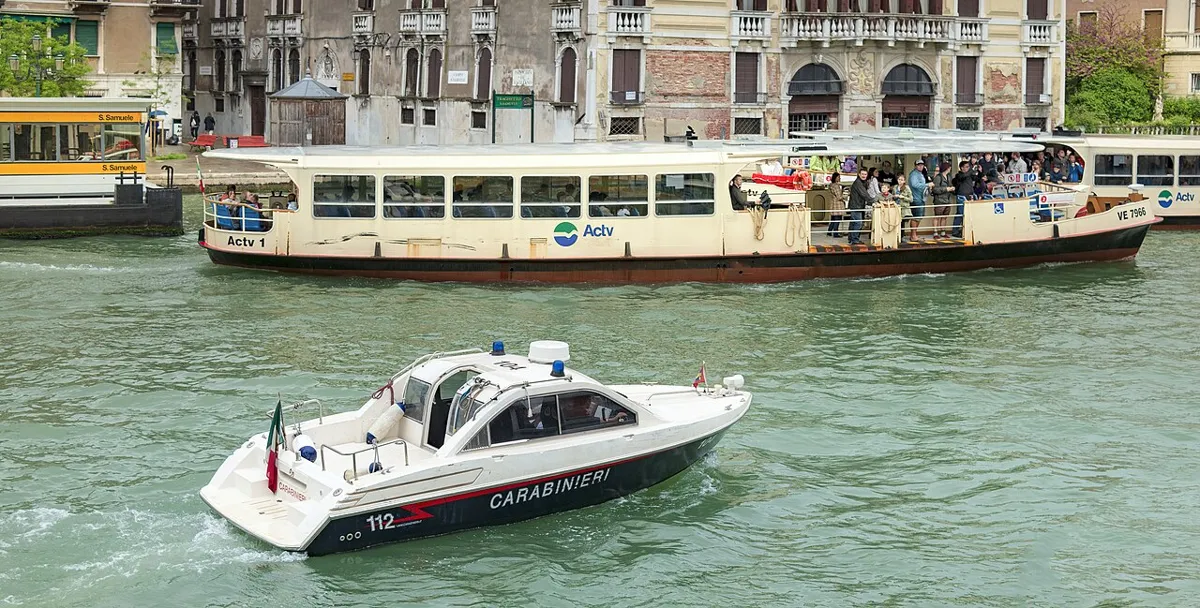
High water can change waterbus routes, Venice’s public transport boat services, and make some stops or boarding ramps inaccessible. Exceptional tides can prevent services from running.
For accommodation choice, the useful question is whether an alternative arrival point would still give you suitable access to the hotel. Alternative access doesn’t necessarily mean step-free access. Check current service notices for travel arrangements during high water.
Get answers about the room you would book
Send the hotel one focused enquiry:
- Is this exact bedroom exposed to high water, and what flood precautions protect it?
- How does entry work during high water? If a barrier is fitted, must you step or climb over it, or is there an alternative entrance suitable for your mobility needs?
- Are there steps or other obstacles between the entrance and bedroom? If you need a lift, does it serve the room’s floor, and what workable arrangement could the hotel offer if it were unavailable?
The lift question is a contingency check, not a prediction that acqua alta will cause a failure.
Useful links
Sources
- alpontedeisospiri.it · High water
- actv.avmspa.it · Waterborne services during high tide (linked above)
- venice-trip.com · Acqua alta guide