Is It Worth Staying Overnight on Miyajima?
One night on Miyajima is worth considering if you want an island evening and a second sightseeing session, especially with the mountain on your wish list. If your main aim is the waterfront shrine and sunset, keeping your mainland accommodation can work too. Evening ferries mean you do not automatically need an island room to stay late.
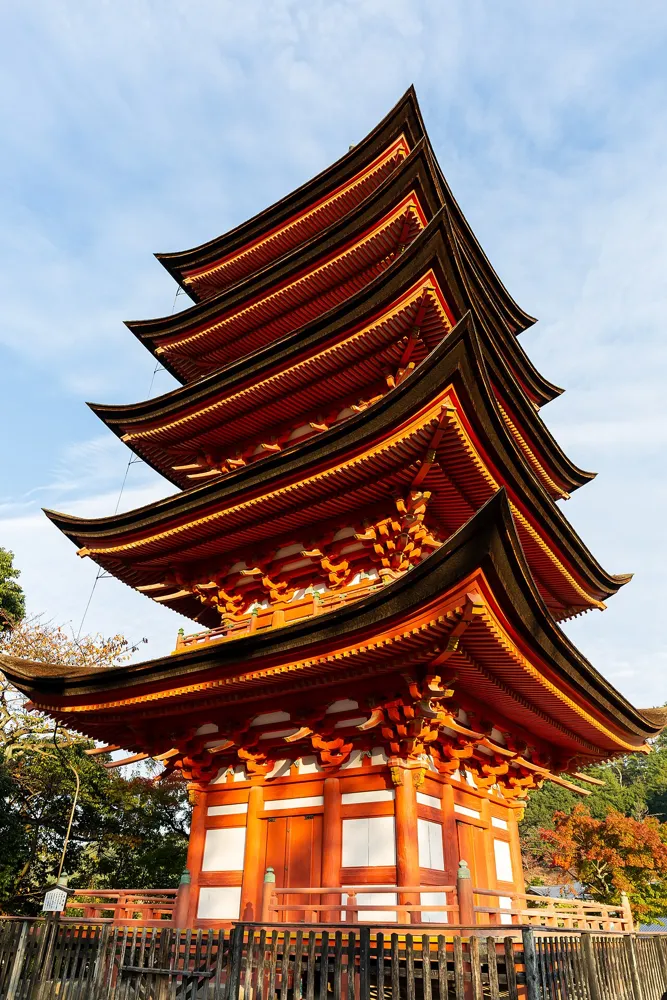

Miyajima’s character comes from its sacred waterfront and mountain. Itsukushima Shrine stands elevated over the water and is dedicated to the gods of the sea and navigation. A visit can take you from that waterfront to hillside religious buildings, with sunset offering a reason to linger. The overnight decision is really about how much of this you want to spread across two days.
Day trip or overnight?
| What you want from Miyajima | Our recommendation | The trade-off |
|---|---|---|
| The waterfront shrine and a few selected sights | Keep your mainland base if these fit your day | You keep your existing accommodation arrangements but have one sightseeing session |
| Sunset, with a return to the mainland afterwards | Consider an evening-return day trip | Your ferry and onward mainland transport both need to work for your date |
| Shrine, hillside buildings and mountain sightseeing across two days | Consider one night on the island | You gain another sightseeing session and take on an accommodation change |
| Mountain sightseeing as your main interest | Either option can work | Mt. Misen adds a substantial interest, but does not itself require an overnight stay |
What makes Miyajima worth more time?
The waterfront’s big draw is the torii, the shrine gateway standing out in the bay. Its setting changes with the tide, and it can be approached at low tide, subject to conditions. Staying into the next day gives you another potential viewing opportunity, though it does not guarantee contrasting tides.
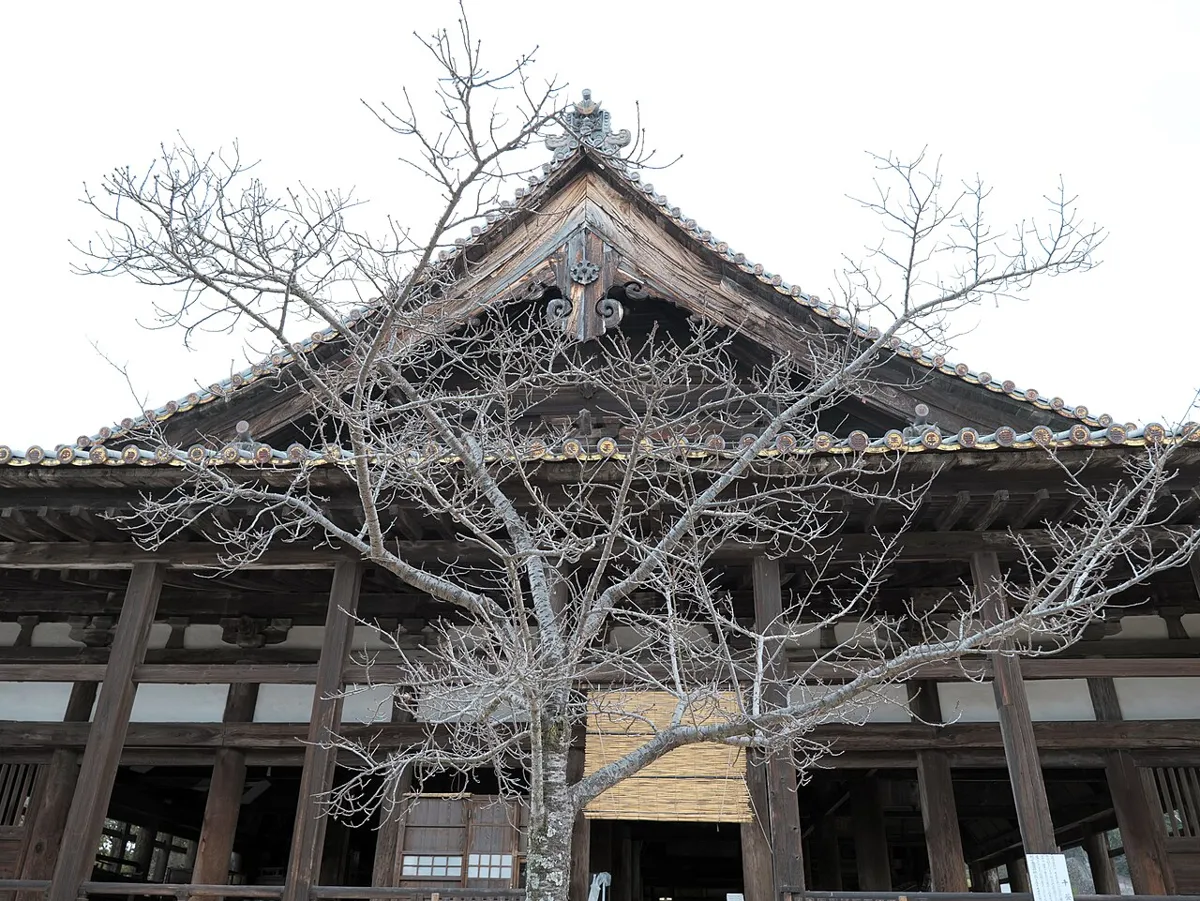
Above the waterfront, the Five-Story Pagoda gives the hillside a distinctive landmark, with views over the shrine and the Seto Inland Sea. Senjokaku, a shrine hall with a vast, open floor, offers a different reason to pause. The warlord Toyotomi Hideyoshi began the project in 1587, but it was never completed, leaving the building open to the breezes.
Omotesando Shopping Street adds a traditional wooden streetscape to the visit, with a view towards the pagoda. These architectural stops give you more to enjoy beyond the famous gateway without making the mountain an automatic addition.
Mt. Misen is the island’s highest point and has long been considered sacred. Walking paths continue beyond the upper ropeway terminal, so treat it as a mountain outing rather than simply a ride to a viewpoint. If that is a priority alongside the waterfront and hillside sights, splitting your visit across two days becomes more appealing.

What an overnight actually adds
The clearest benefit is flexibility: you can give the waterfront and architectural sights one session, then leave another for the mountain or a return to a favourite spot. You do not have to fit all your interests between arrival and a same-day ferry home.
Sunset is a good reason to remain on the island, weather permitting, but it is not an exclusive benefit of staying overnight. JR West Miyajima Ferry’s regular timetable includes evening departures from the island, including 20:00, 21:25 and 22:14. The crossing to Miyajimaguchi, the mainland ferry connection, takes about ten minutes. Those are regular services rather than a guarantee for every date, and the crossing time excludes your onward journey.
Nighttime shrine illumination is another possible attraction. Confirm current lighting arrangements before making it the reason for your stay; an illuminated exterior also should not be taken to mean nighttime entry to the shrine.
Two ways to shape the visit
For a day trip: centre the visit on the waterfront shrine, then choose the hillside buildings or mountain according to your interests. If sunset matters, a later ferry may let you include it while keeping your mainland room. Use the timetable for your travel date and check that onward mainland transport also runs late enough.
For one night: use your arrival afternoon for the shrine and architectural sights, with sunset if conditions cooperate. Leave the following day for Mt. Misen if you want a mountain outing. Check current ropeway operations and choose a walking route suited to you before committing to that plan. This is a way to divide the sightseeing, not a promise that every attraction will fit.
Before choosing an island room
Most island inns and hotels are concentrated near the port on Miyajima’s north side. That gives you a broad starting point for accommodation, rather than a reason to assume every property has the same access.
Compare the actual room cost with keeping your mainland booking. Ask what meals your chosen accommodation provides, and settle how you will handle luggage around arrival and departure. A room with arrangements that suit you can make the second sightseeing session worthwhile; if you only want the shrine and sunset, an evening-return day trip may already give you the visit you want.
Useful links
Sources
- japan.travel · Vibrant hiroshima in autumn
- jr-miyajimaferry.co.jp · Timetable (linked above)
- japan.travel · In hiroshima