Naoshima Day Trip or Overnight: How to Choose
Choose a Naoshima day trip if you’re happy to pick a few art priorities. Stay overnight if you want museums, art-filled village buildings and coastal artworks without squeezing them into one day. A night gives you more room to spread things out; it doesn’t guarantee you’ll see everything.
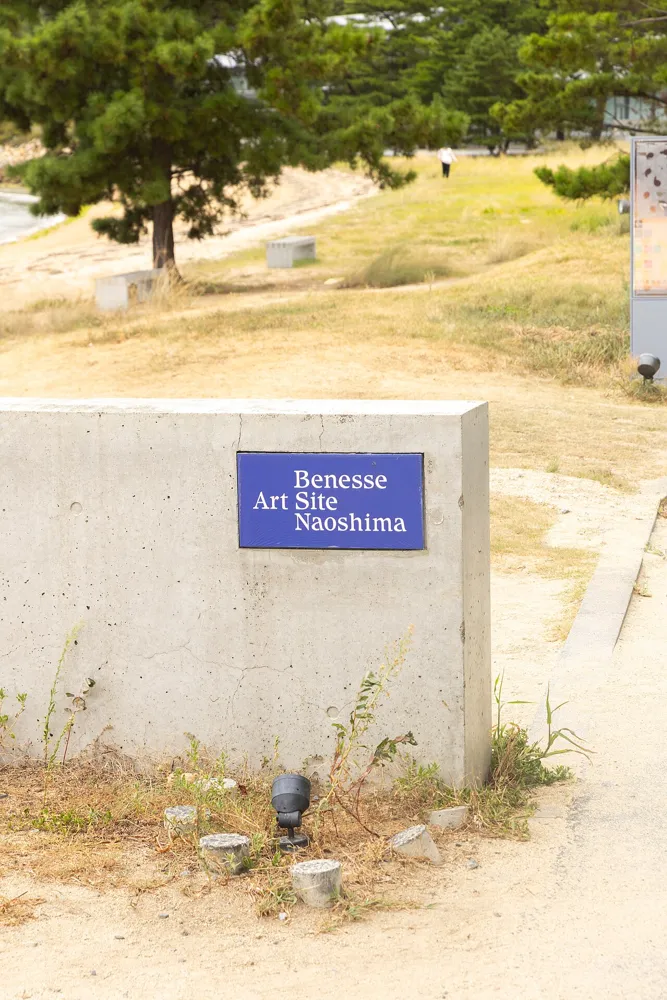

Naoshima’s appeal is the way contemporary art reaches beyond gallery walls. Once a smelter town, this Japanese island now brings together purpose-built museums, transformed community buildings and artworks overlooking the Seto Inland Sea. Your visit can mix looking closely at paintings with exploring buildings and outdoor installations. How much of that mix you want is the best starting point for choosing your stay.
| Your priority | Best fit | What you gain | Main trade-off |
|---|---|---|---|
| A small shortlist of must-see art | Focused day trip | A selective visit while keeping your mainland accommodation | You’ll need to leave other experiences out |
| Museums, village installations and coastal art | Overnight | More room to spread different experiences across days | You commit an accommodation night and more itinerary time |
| Accommodation that forms part of the art experience | Overnight | The chance to stay somewhere combining art and lodging | The property becomes part of your choice, alongside the sights |
Which art would you travel for?
Chichu Art Museum is a strong priority if Monet is your main draw. Its paintings are displayed in a white room lit naturally from the ceiling, with changing daylight affecting how the works appear. If that particular experience is what brings you to Naoshima, build a selective day visit around it rather than trying to collect every attraction.
Honmura, a settlement on the island’s eastern side, offers a different reason to linger. Its Art House Project turns existing houses and other buildings into contemporary artworks, connecting art with the surrounding community and its renewal. This is a different experience from moving between museum galleries, so give it a place on your shortlist if the relationship between art and everyday buildings interests you.
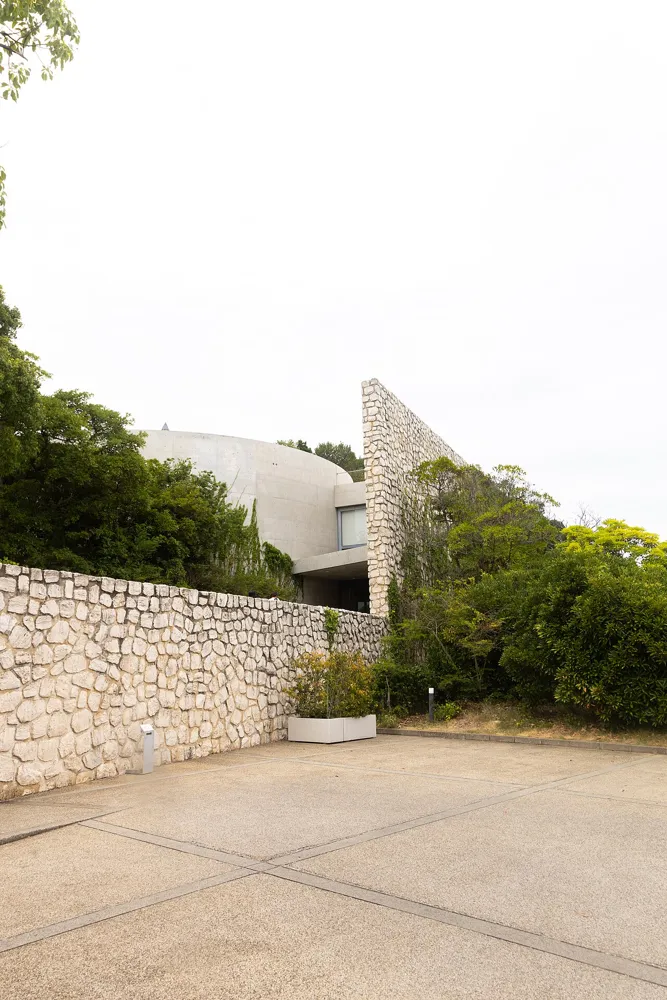
Benesse House, a museum and hotel on a hill overlooking the sea, adds another setting. Artworks extend beyond the museum into the surrounding landscape and along the coastline. Wanting both this outdoor art and Honmura’s transformed buildings strengthens the case for an overnight stay, especially if Chichu is already a must.
For a more specialist interest, Lee Ufan Museum brings together the artist’s work and architecture created in collaboration with Tadao Ando. Lee Ufan was a leading figure in Mono-ha, a pioneering art movement of the 1970s. Add it because you’re interested in that artist or collaboration, rather than treating another museum as an automatic extra.

What staying overnight adds
The useful gain is being able to spread your art programme across days. You can give museums and Honmura their own share of attention instead of making every stop compete within a single day visit.
Benesse House also shows how accommodation can become part of the experience: its combined museum and hotel setting makes art part of where you stay. That’s a reason to consider an island night if it appeals to you, without needing to turn the trip into a hotel comparison.
Think of one night as room for a broader visit, not a completion target. It can suit a selection of major artworks; exploring the wider Naoshima area calls for longer. If your shortlist keeps growing, adding a night is more useful than assuming an overnight stay makes everything fit.
The connections that affect your choice
Reaching Naoshima and reaching your chosen art sites are separate parts of the journey. Ferries depart from Uno in Okayama and Takamatsu in Kagawa. On Naoshima, Miyanoura is the western port and Honmura is the eastern port, so the arrival port matters when assessing a day trip.
Before settling on either option, make one practical check:
- Match the ferry to the island port. Check current outward and return sailings for your chosen crossing.
- Check each chosen art site’s opening days, hours and admission arrangements. Base the visit on the places you actually want to enter.
- Allow for the museum connection. For an approach through Miyanoura, check the local bus to Tsutsujiso, the transfer point for museum shuttles, and the onward services to your selected museums.
- If cycling appeals, check the Benesse House access rules. Bicycles are restricted from entering that area, so cycling should not be your only plan for reaching every site.
Keep the mainland stay if a selective art visit sounds satisfying. Give Naoshima a night if the combination of museums, transformed houses and coastal art is the point of the trip.