Reykjavik Hotel Water: Sulphur Smells, Drinking Water and When to Ask Staff
A rotten-egg smell when you turn on the hot water is a recognised Reykjavík experience. The useful distinction is which supply is behaving oddly: sulphurous hot water has a documented local explanation, while cold water that stays warm, looks brown or tastes unusual deserves a separate check.
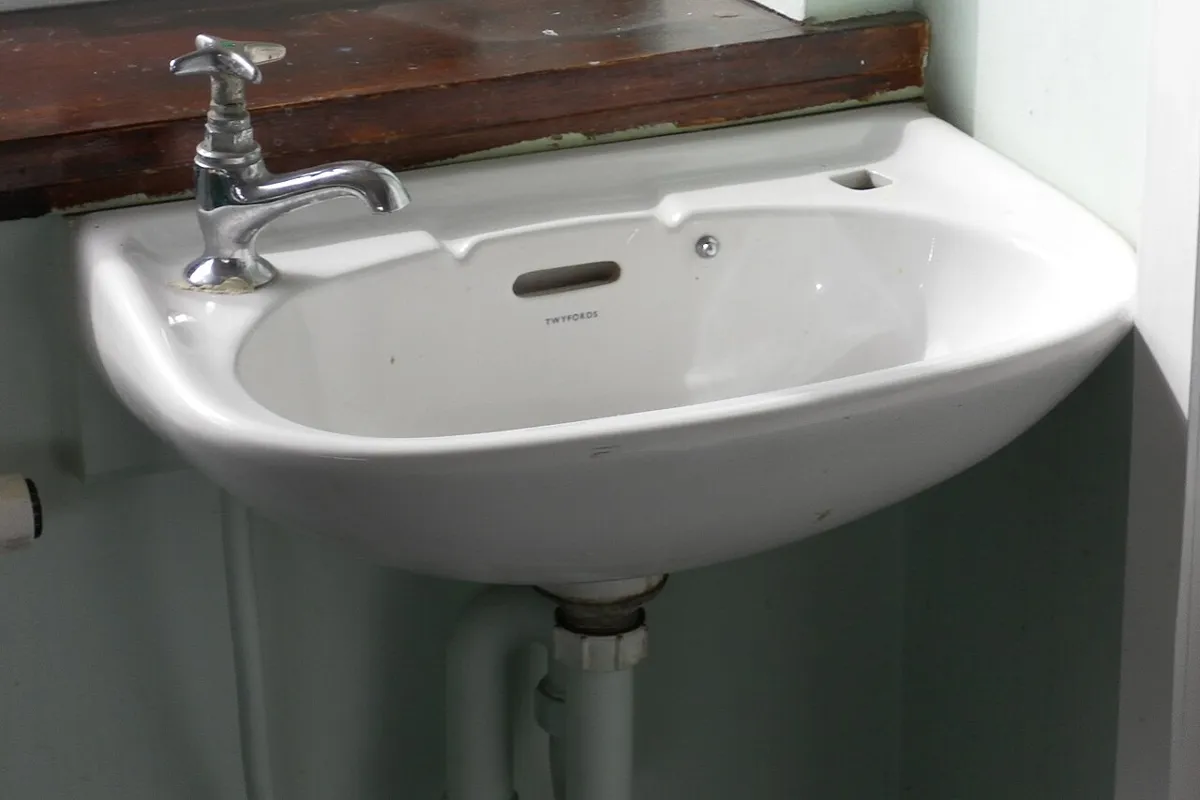

Geothermal water is woven into the city's everyday culture, from swimming pools where visitors can enjoy hot tubs and steam baths to its street names. Laugavegur, a central shopping street, takes its name from laundry carried to hot washing pools until 1930. That background helps explain why hot water features in a Reykjavík stay, but it doesn't explain away a problem at your room's cold tap.
What you notice and what to do
| What you notice | Possible explanation | What to do in your hotel |
|---|---|---|
| A rotten-egg smell when using hot water | Hydrogen sulphide, a gas whose smell is commonly noticed in Reykjavík hot water. | See the sulphur explanation below, especially if you experience irritation. |
| Water stays warm or comes out hot with the tap set fully cold | Poor insulation between neighbouring pipes or a faulty valve that mixes hot and cold water. Temperature alone doesn't identify the fault. | Ask staff to investigate and tell you where to get drinking water meanwhile. |
| Brown water | Corrosion in the building's drinking-water pipes is one possible cause. | Ask staff to address it and provide alternative drinking water while it is checked. |
| An unusual cold-water taste or smell persists | Some taste problems relate to new or repaired plumbing, but that doesn't explain every case. | Request a supply check and alternative drinking water rather than assuming it is the usual hot-water smell. |
Which water should you drink?
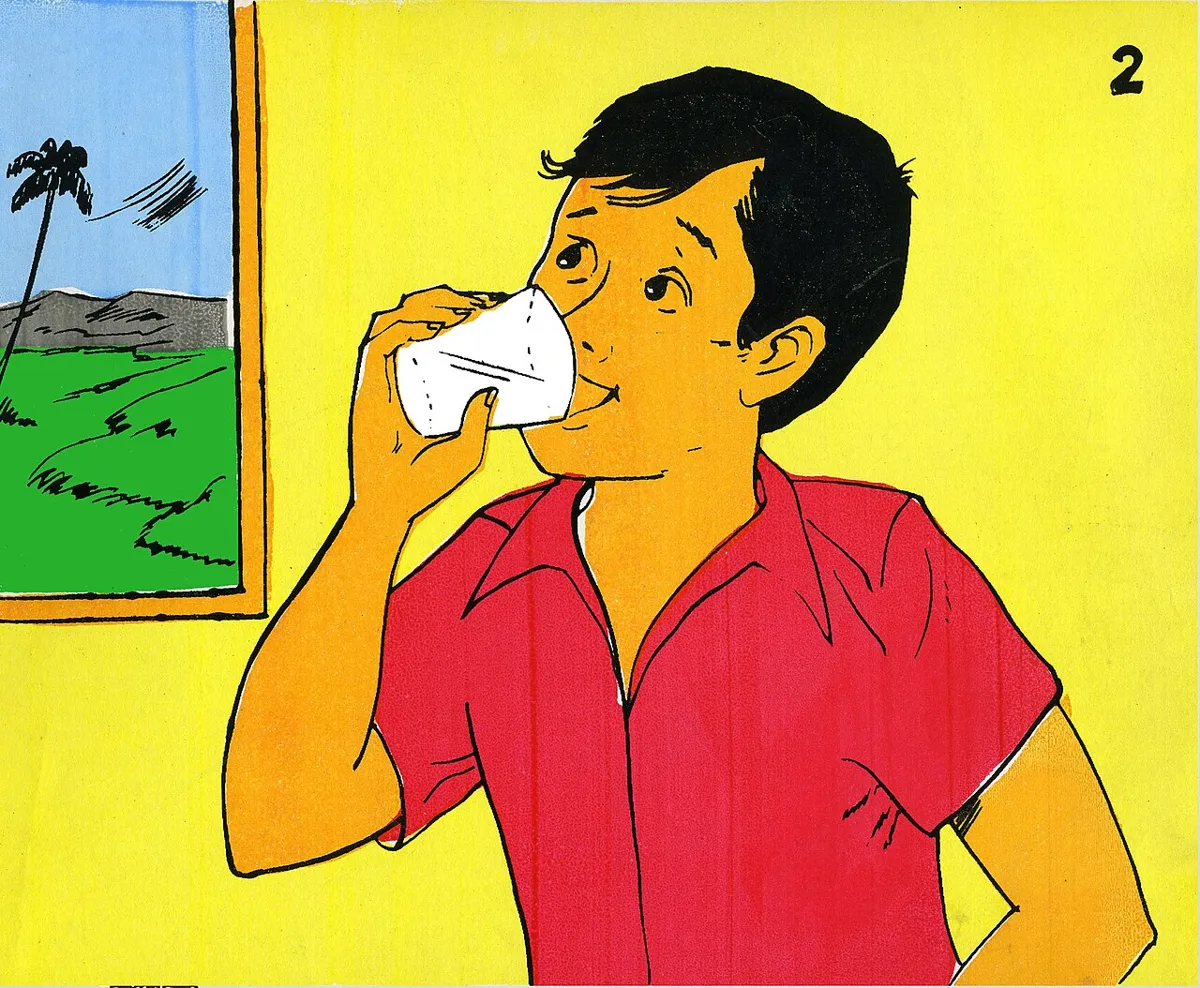
For an ordinary refill, start with the cold tap. The cold supply is the city's drinking-water supply; if it remains warm, smells unusual or is discoloured, use an alternative drinking-water source while staff investigate.
The city's water and the plumbing inside your accommodation are separate considerations. Reykjavík's distribution network is monitored, with typically two drinking-water samples taken each week. That monitoring doesn't certify every hotel's pipes or every room's tap.
You don't need to diagnose the plumbing yourself. A useful way to describe the problem is: “With the tap set fully cold, the water still comes out hot. Could you check it and tell me where I can get drinking water?”

Why does the hot water smell sulphurous?
Hydrogen sulphide has the distinctive rotten-egg smell commonly noticed in Reykjavík hot water. Smell alone cannot tell you whether an individual hotel's shower is safe.
The gas can irritate the eyes, nose, mouth and lungs, and its effects depend on concentration and exposure time. If you experience irritation, stop using the water and contact staff.
Does running the tap fix it?
Sometimes flushing helps, but it isn't a cure for every water problem.
For brown drinking water, running it for about 10–15 minutes is a temporary measure pending pipe maintenance. In a hotel, ask staff to manage that response. Water becoming clear should not be your only test of whether it is suitable to drink.
Thorough rinsing can also help with certain bad tastes caused by new or recently repaired plumbing. If the taste persists, the installation needs further attention. That specific advice doesn't mean a persistent sulphurous smell at the cold tap will disappear with more flushing.
What if the cold water is interrupted?
Follow the hotel's and utility's instructions for that particular interruption. Without cold water, taps can deliver only hot water, creating a burn risk. Keep taps closed, including while waiting for the supply to return, to avoid burns or water damage.