Sleeping on a Houseboat in Amsterdam: Rocking, Sleep and Motion Sickness
If you like the idea of sleeping in a floating home, an Amsterdam houseboat can still be worth considering when movement is a concern. Sheltered canal moorings generally have barely perceptible everyday motion. That makes them the stronger choice if you want to stay aboard while limiting movement, but it cannot guarantee personal comfort or undisturbed sleep.
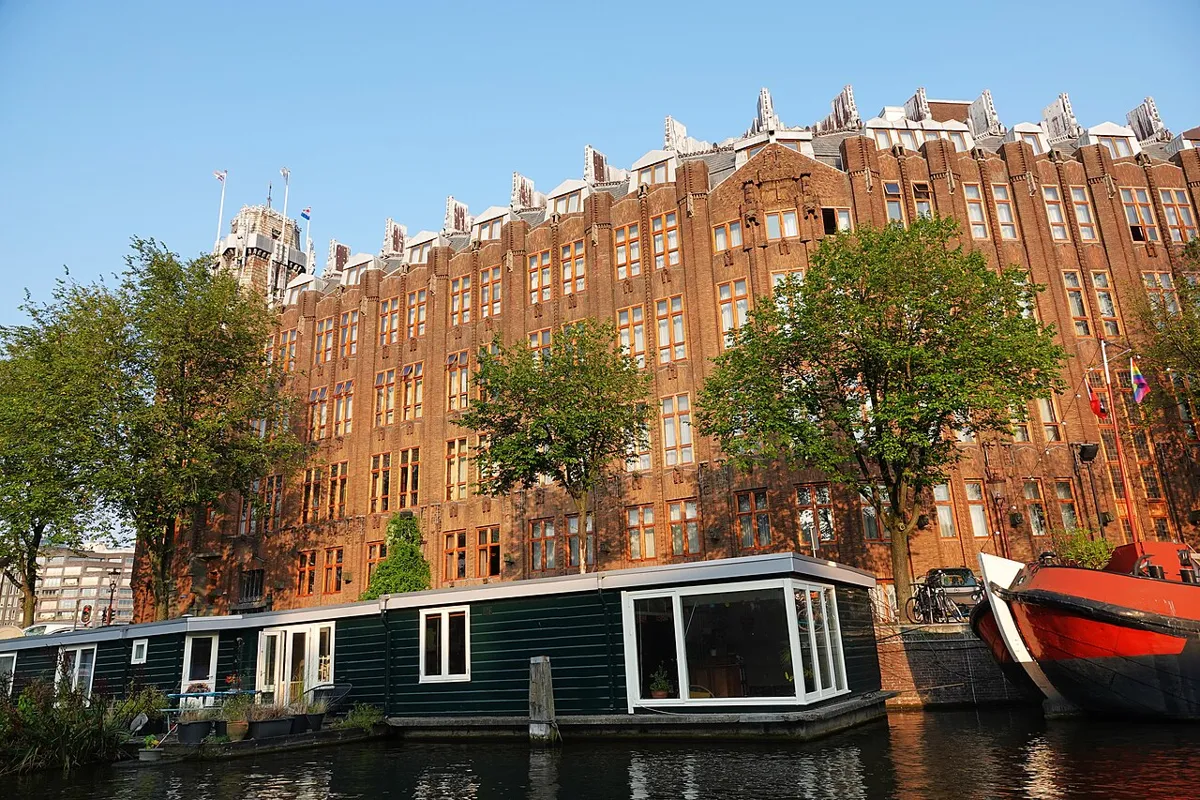

Part of the appeal is experiencing Amsterdam’s canals as a place to live. A stay on a quiet canal stretch offers different surroundings from one beside a busy tourist boat route. The exact patch of water matters as much as the floating-home idea.
Which stay suits you?
| Stay conditions | Best fit | Main trade-off | What to establish |
|---|---|---|---|
| Sheltered canal mooring | You want a houseboat and prioritise limited movement | Slight movement may still matter to you | How the actual boat moves in wind and when boats pass, including in the bedroom |
| Exposed mooring near the IJ, Amsterdam’s open waterfront | You are comfortable accepting possible wind-related rocking | Movement can be noticeable in windy weather | Whether the mooring is exposed and when rocking becomes noticeable |
| Land-based accommodation | Uncertainty about floating movement would put you off the stay | You give up the experience of living aboard | Whether a floating stay is something you actually want to accept uncertainty for |
How much do Amsterdam houseboats rock?
Most canal-moored houseboats are described as having very little everyday movement. Larger barges in particular may barely move even when other boats pass. More exposed moorings near the IJ can rock noticeably in wind, so “houseboat in Amsterdam” is too broad a description to judge a particular stay.
For a motion-sensitive traveller, “I hardly notice it” is useful context from a host, rather than a promise about how you will feel. Ask for concrete examples of when movement occurs instead of relying on a general reassurance that the boat is still.
The surroundings deserve a separate look. The Jordaan, a neighbourhood with canals, includes quieter stretches. A mooring near Centraal, Amsterdam’s central railway station, may sit on a busy tourist route. That distinction helps you picture the setting, but it does not tell you how noisy a bedroom will be or how much overnight traffic to expect.
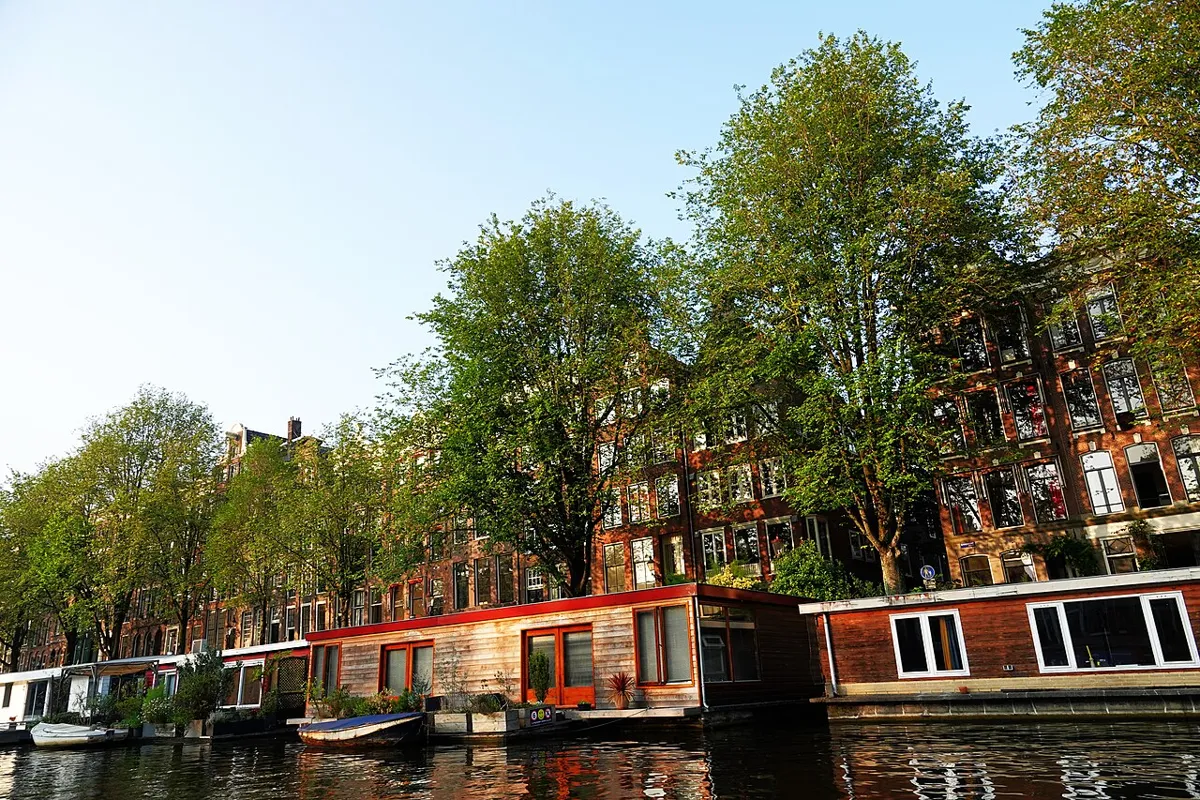

What living aboard adds
A houseboat brings a different kind of domestic space into your trip. Amsterdam’s Houseboat Museum illustrates that connection: its vessel began as a freighter in 1914 and became a home in the 1960s. Its compact interior shows how living space can be fitted into a former working boat, though every rental will have its own layout.
That compactness is also a practical trade-off. Houseboat interiors can be smaller than comparable land-based apartments, with less storage and lower ceilings, especially in older converted barges. If you are tall or travelling with bulky luggage, usable space deserves as much attention as movement.
Questions to ask before booking
Ask the host:
- Is the boat on a sheltered canal or at an exposed mooring?
- In what wind conditions does rocking become noticeable?
- What movement is noticeable when other boats pass?
- Can that movement be felt in the sleeping space?
- What is the ceiling height where I will stand, and how much luggage storage is available?
A description of the actual boat and bedroom is more useful than “nobody gets seasick”. If accepting even slight floating movement feels like an unwanted compromise, choose land-based accommodation.
Source notes
Totally Amsterdam provides qualitative guidance on moorings, movement, canal surroundings and interior space. These descriptions are not measurements or guarantees for an individual rental.
Turnipseed Travel’s museum account describes the vessel’s history and compact living space. It also records discomfort for one visitor while a companion perceived virtually no movement. That single contrasting experience illustrates differing responses; a short museum visit cannot predict comfort during an overnight stay.
Book a Houseboat’s near-zero seasickness reassurance is promotional, rather than evidence of an individual guest’s likely outcome. Pure Boats discusses moving canal cruises, which cannot establish what sleeping aboard a moored houseboat will be like. Neither supports a promise of symptom-free sleep.