What Is a Hanok Stay Like? Bathrooms, Heating and Sleeping Comfort
A hanok stay is worth considering if spending the night in a traditional Korean house appeals to you. Just don’t let the promise of a heated floor settle the whole comfort question. Warmth under your bedding, cushioning beneath your hips and comfort in the shower are three different things.
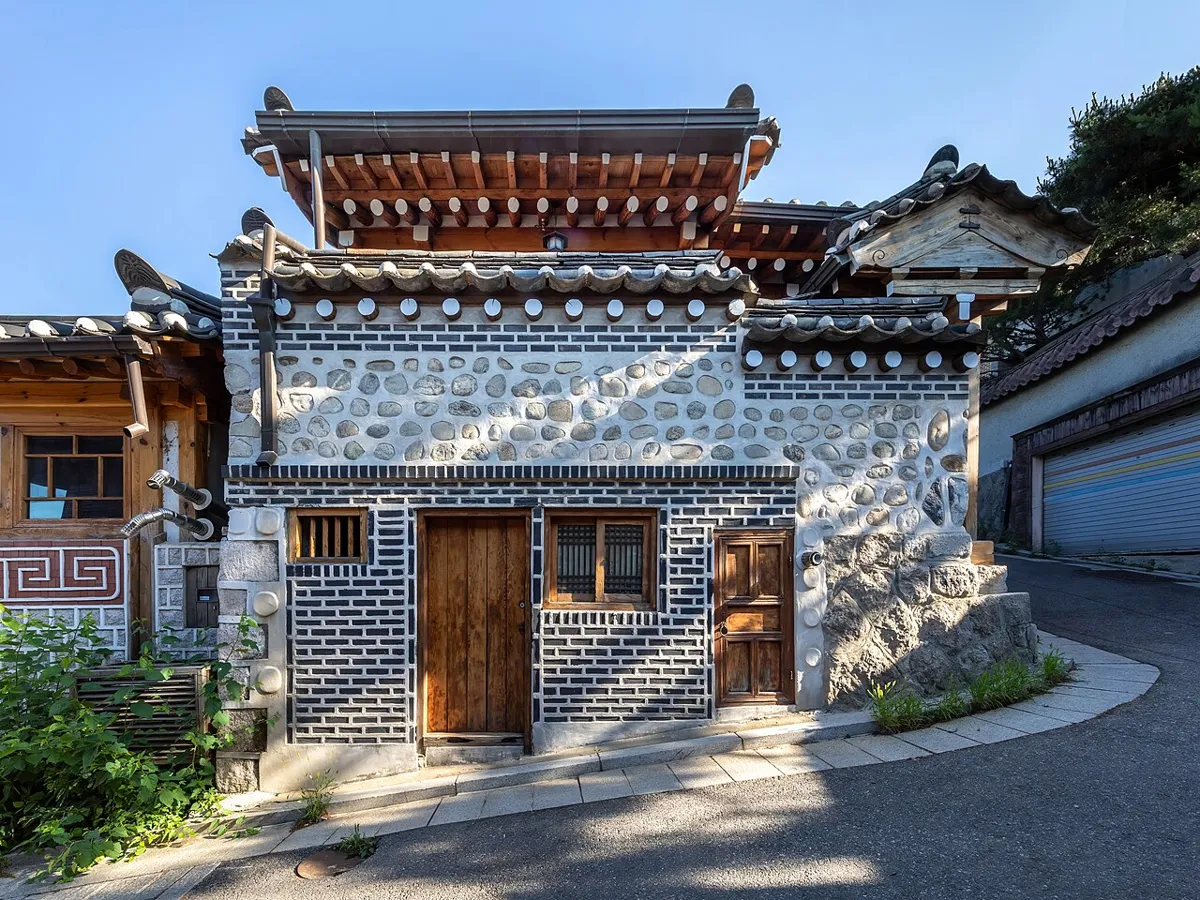

Hanok is the name for Korea’s traditional house form. Part of its domestic character comes from ondol, heating beneath the floor that warms the floor and room air. For an overnight guest, that brings the architecture into everyday life: sitting close to the warmth and, with floor bedding, sleeping close to it too. The appeal is practical as well as cultural, but it still needs to suit how you like to sleep.
Are hanok stays warm in winter?
Ondol puts warmth beneath you. In its traditional construction, a layer of stone below the flooring holds and spreads heat into the rooms. That explains why sitting on a heated floor can be a memorable part of a stay.
For a winter stay, separate the warmth of the floor and blankets from how warm you want the room air to feel. Cosy bedding can coexist with cooler air and some chill through paper-screen doors. If you like sleeping in a T-shirt even in winter, ask about bedroom heating rather than taking “heated floor” as the whole answer.
Warm bedding isn’t the same as a comfortable bed
Floor warmth can be lovely without providing the cushioning you need for a good night’s sleep. If you sleep on your side, pay particular attention to what will cushion your hips.
If you already know that a thin sleeping surface doesn’t suit you, make the actual bedding decisive. Don’t treat floor heating as compensation for insufficient cushioning. If you need a conventional bed, choose accommodation where that arrangement is explicitly confirmed; the hanok label alone doesn’t answer that question.
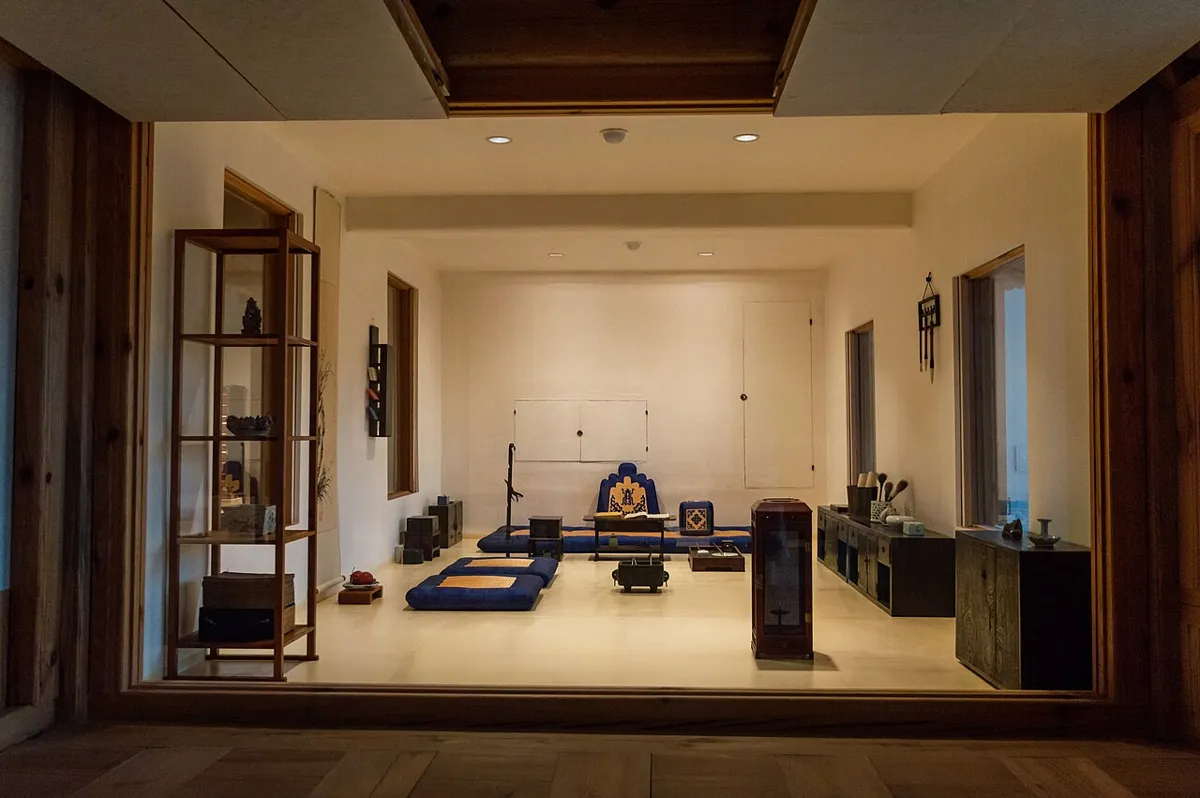

What about the bathroom?
Being cosy in bed doesn’t guarantee a comfortable shower. Treat bathroom warmth and hot water as separate questions: knowing that the shower has hot water doesn’t tell you whether the bathroom air will feel warm.
Privacy and location need separate answers too. Exclusive use tells you who uses the bathroom: just you and the people sharing your room. Location tells you where it is in relation to the bedroom. If you want a bathroom directly connected to your room, ask for that explicitly rather than relying on the word “private”.
The room details that matter
Use these few questions to turn an appealing description into a stay that suits you.
| Detail | What to ask | Why it matters |
|---|---|---|
| Sleeping surface | Does this room have floor bedding or a conventional bed? What cushioning is provided? | A warm surface can still feel too firm. |
| Room heating | How is the bedroom heated? | Floor warmth and your preferred room-air temperature are separate comfort questions. |
| Bathroom privacy and location | Is the bathroom just for our room, and is it directly connected to the bedroom? | Exclusive use tells you who uses it; location tells you where it is. |
| Bathroom warmth and hot water | Is the bathroom heated? Does the shower have hot water? | Warm bedding doesn’t tell you how showering will feel. |
A hanok makes sense when the traditional house and floor-level warmth are part of what you want from the night. If cushioning or bathroom comfort is non-negotiable, let those confirmed room details lead the decision.