Where to Stay in Kyoto: Choose the Right Neighbourhood
Start with downtown Kyoto if you want shopping, plenty of dining choices and lively evenings. Within it, Shijo-Kawaramachi is the stronger fit for walking over to Gion’s tea-house streets; Shijo-Karasuma pairs a business-district setting with useful subway and Hankyu rail connections. Kyoto Station makes more sense when airport trains or particular JR excursions will do a lot of the work.
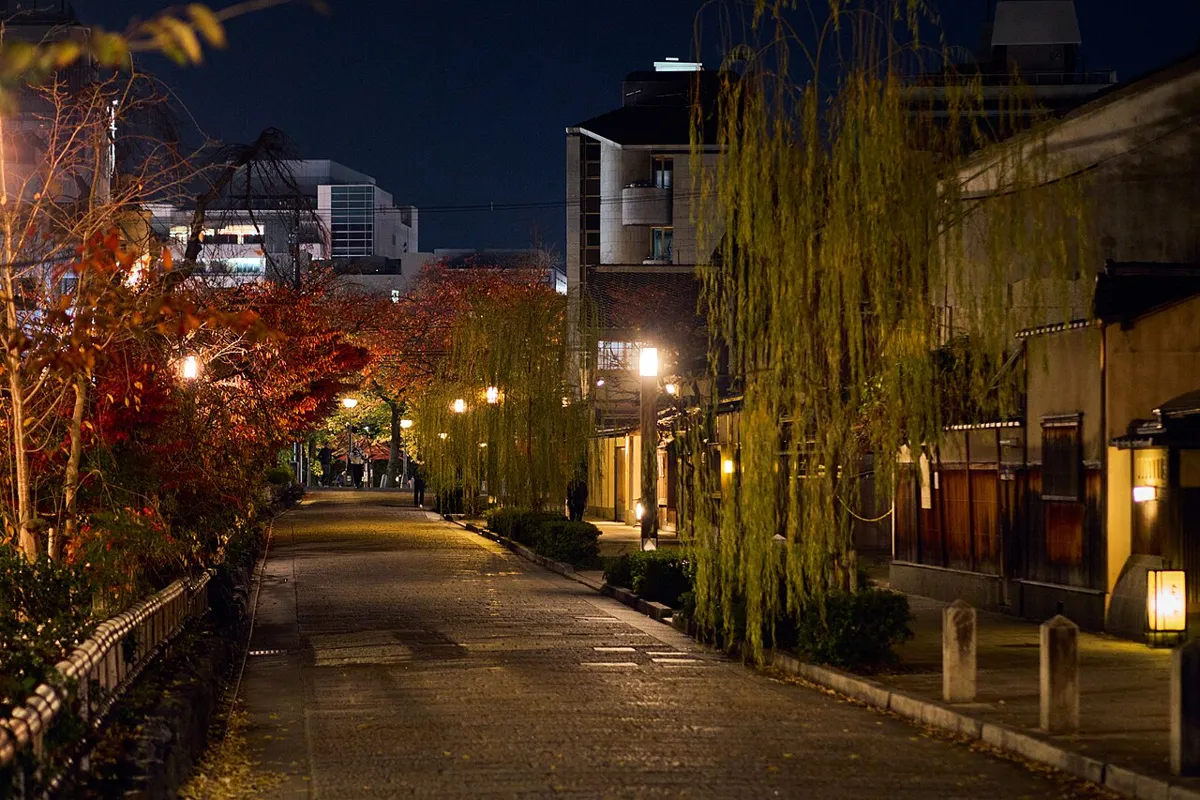

Kyoto’s appeal stretches from palace grounds and historic temples to pottery shops and contemporary department stores. You can spend a day exploring temple streets, then return to a busy shopping district for the evening. Where you sleep decides which part of that mix sits closest to your door.
| Base | Choose it for | What to weigh up |
|---|---|---|
| Shijo-Kawaramachi, downtown’s commercial hub | Shopping, lively evenings, nearby Nishiki Market and walking access to Gion | A busy urban setting rather than a temple-focused stay |
| Shijo-Karasuma, downtown’s business district | The Shijo shopping corridor, Hankyu trains towards Osaka and the north–south subway | Choose it for its connections; the business-district label doesn’t promise a quiet bedroom |
| Gion, a living cultural and entertainment district | Tea-house streets, shrine history and varied dining | Residents’ privacy is part of staying here |
| Southern Higashiyama / Kiyomizu, a temple and pottery area | Temple visits and browsing ceramics between sights | Fewer dining and transport choices than downtown, with crowds at peak sightseeing times |
| Kyoto Station | Direct airport trains, JR outings and nearby temples | Its advantages depend on which rail destinations you’ll use |
| Gosho / Nijo, around the palace and castle | Palace-park walks and small-café mornings | Better suited to those experiences than a stay centred on lively Shijo evenings |
| Northern Higashiyama | Walks around the Path of Philosophy and Yoshida-yama | Expect extra travel for downtown dining and nightlife |
| Arashiyama, a scenic sightseeing area | Bamboo, temple visits and early park walks | Restaurants and cafés tend to close early, so evening meals deserve attention |
Shijo-Karasuma or Shijo-Kawaramachi?
Choose Shijo-Kawaramachi if you want to step out into shopping and make Gion part of your everyday wandering. Nishiki Market, a place for food shopping and dining, is nearby. You can also walk to Yasaka-jinja, the shrine around which Gion developed.
Shijo-Karasuma suits a slightly different brief. It’s a business district with access to the same Shijo-dori shopping corridor, where department stores and brand shops stretch between the two downtown bases. Its useful combination is the Karasuma subway line for north–south journeys and Hankyu trains towards Osaka.
Downtown offers a modern, busy side of Kyoto, with lively evenings along Shijo. That makes it a good starting shortlist if dinner and shopping matter as much as daytime sightseeing. It doesn’t tell you how any particular room will sound, and there’s no reason to assume Shijo-Karasuma is quieter simply because it has offices.
Gion or Southern Higashiyama?
These deserve separate places on your shortlist.
Choose Gion for its living cultural setting and dining streets. It grew around Yasaka-jinja and remains an entertainment district, with tea houses, Japanese restaurants, international eateries, bars and cafés. An evening here can be about dinner and a stroll through those streets, without needing a promised encounter with a performer to make the location worthwhile.
It is also a residential neighbourhood. Respecting privacy and people’s daily lives is part of being a guest here.
Choose Southern Higashiyama, particularly the Kiyomizu area, when temples and traditional crafts are the main draw. Kiyomizu-dera is a historic temple and World Heritage Site. The streets between local temples also offer ceramics shopping: Kiyomizu-yaki pottery developed in this area, giving you something more specific to browse than a generic souvenir selection.
The practical compromise is fewer restaurants and transport options than downtown, plus crowds during peak sightseeing hours. Give those drawbacks real weight if you like spontaneous evenings with lots of choices. This comparison applies to Southern Higashiyama; it isn’t a reason to dismiss Gion’s dining options.
Kyoto Station and the connections that matter
Book around Kyoto Station when its rail links match a substantial part of your stay. The direct Haruka train connects it with Kansai International Airport. JR lines also serve outings to Fushimi Inari Shrine, Tofuku-ji Temple and Arashiyama.
There are worthwhile visits nearby, too. Toji is one of the area’s temples, alongside the two Hongan-ji temple complexes. Staying here can combine those visits with rail excursions, rather than making the station your only reason for choosing the neighbourhood.
An Osaka day trip doesn’t automatically make this the best base. Osaka has several useful rail endpoints, and downtown Kyoto or the Gion side may fit yours better.
| Connection | Kyoto endpoint | Accommodation implication |
|---|---|---|
| Haruka from Kansai International Airport | Kyoto Station | A strong reason to favour the station area when direct airport access matters |
| JR Special Rapid from Osaka Station | Kyoto Station | Useful for trips centred on Osaka Station |
| Hankyu from Osaka-Umeda | Karasuma or Kyoto-Kawaramachi | Keeps both downtown bases in contention |
| Keihan from Yodoyabashi or Kyobashi in Osaka | Gion-Shijo or Sanjo | Makes a Gion-side base worth considering |
Within Kyoto, the Karasuma subway runs north–south through Kyoto Station and central Kyoto. It meets the east–west Tozai line at Karasuma-Oike; the latter serves the Nijo Castle direction. These connections help explain why a downtown base can work well beyond its immediate shopping streets.

Palace walks or a walking-focused stay?
Gosho / Nijo suits mornings built around parks and cafés. Gosho refers to Kyoto’s Imperial Palace, whose park offers room for a walk before breakfast in a small café. Nijo Castle adds another historic visit to this broader accommodation area. It’s a good alternative if that daily rhythm appeals more than being beside Shijo’s lively evening scene. The area’s relatively quiet reputation is a broad impression, not a promise about every property.
Northern Higashiyama suits travellers who want walking to be a main activity. The Path of Philosophy is a named walking route, while Yoshida-yama and the surrounding streets offer another focus for exploring on foot. Choose it because you want to spend time there in the morning or evening. The compromise is extra travel into downtown for its dining and nightlife, so it’s less compelling if most evenings will take you straight back into the centre.
When Arashiyama is worth staying in
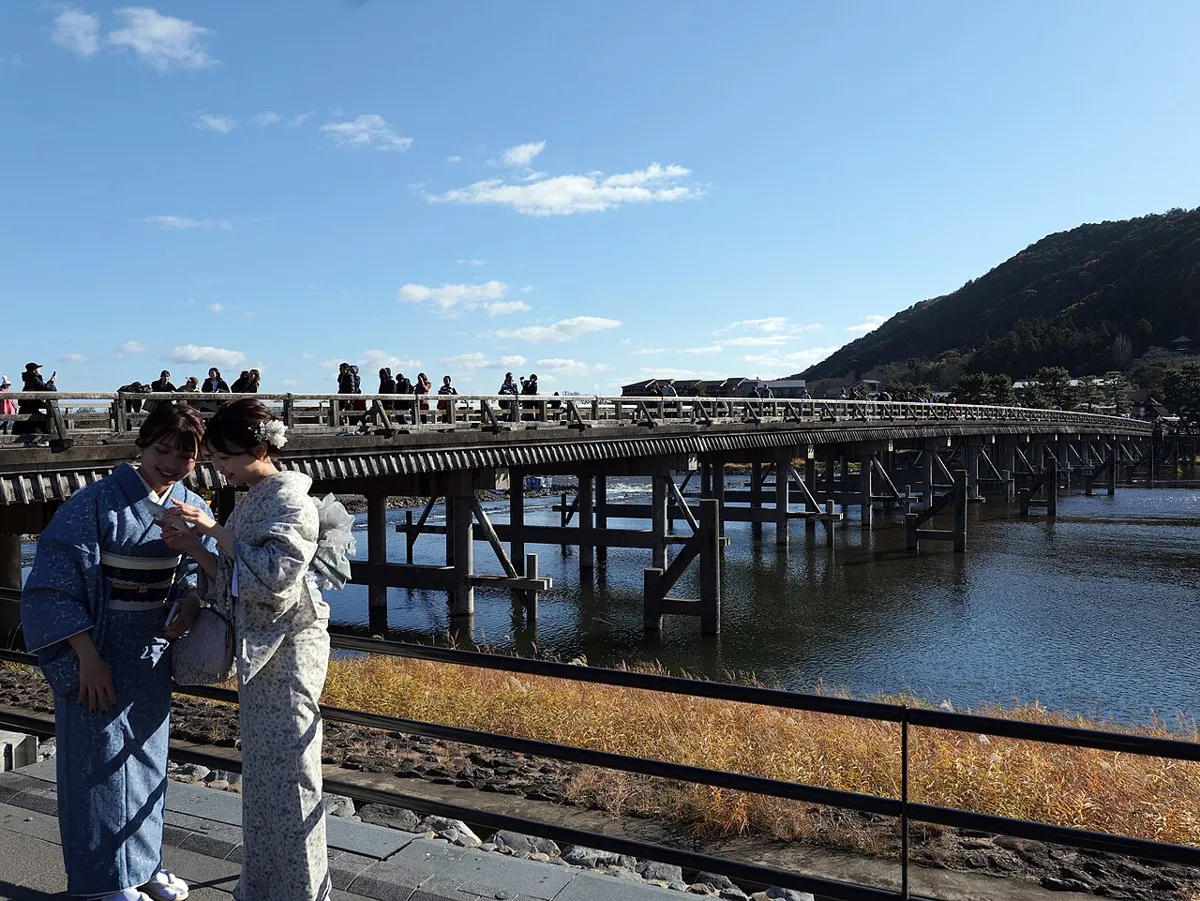
Stay in Arashiyama when you want its sights to shape the visit. The bamboo grove is the obvious draw. Togetsukyo Bridge and Tenryu-ji Temple give you more to explore locally, while an early walk in Kameyama Park offers a viewpoint and another reason to be up and out nearby.
That makes a stronger case for sleeping here than simply wanting to tick off the bamboo grove. Early starts won’t guarantee empty paths, but they let you put local walks at the centre of the day.
The main booking consideration is dinner. Restaurants and cafés tend to close early, so favour accommodation with a suitable meal plan or identify an evening option before committing. The area has hotels and established hot-spring ryokan, but check the individual property’s baths and meal inclusions rather than assuming they come with every stay. JR and Randen trains connect Arashiyama with busier parts of Kyoto.
Choose the lodging style after the area
A ryokan, a Japanese-style inn, can make time at your accommodation part of the experience. Rooms may use futon mattresses, and some plans include dinner and breakfast; others offer breakfast only. Check the bedding and meals included in the actual room plan, especially if you’re relying on dinner in Arashiyama.
For friends or groups who want shared downtime, a vacation-house rental can offer a living room and cooking facilities. Some are traditional machiya houses. Check those facilities in the individual listing, along with the property’s actual access to the station you intend to use.
If cherry blossoms, autumn leaves or Gion Matsuri, Kyoto’s festival, are the reason for your trip, reserve accommodation early once you’ve chosen your base.
Sources
- kyoto.travel · Choosing accommodation key features of each area
- insidekyoto.com · Where to stay in kyoto
- kyoto.travel · Central
- kyoto.travel · Choosing accommodation different types of lodging
- kyoto.travel · Sightseeing guidelines
- kyoto.travel · Gion kiyomizu
- kyoto.travel · Getting to
- kyoto.travel · Getting around kyoto by subway train
- kyoto.travel · Things to keep in mind while exploring kyoto and its kiyomizu arashiyama and gion areas