Where to stay in Lisbon: choose a neighbourhood for your trip
If bookshops and café stops are your idea of a good Lisbon day, start with Chiado. If you want late dinners and nightlife close to your accommodation, look at Cais do Sodré or Bairro Alto. Alfama makes a stronger case for history and Fado, provided steep streets and awkward taxi access sound manageable.
.JPG)
Lisbon’s character comes through in tiled façades, yellow trams and Fado, the Portuguese musical tradition explored in its own museum. But where you stay changes which side of the city shapes your day: browsing literary landmarks, exploring Portugal’s political past or spending an evening around dining and nightlife. Choose that experience first, then weigh the practical compromise.
Pick your starting shortlist
| What you want from your stay | Where to look | The trade-off |
|---|---|---|
| A broad accommodation choice and a regular street layout | Baixa and Rossio | Crowds; a street grid does not guarantee step-free access |
| Bookshops and literary café stops | Chiado | Choose it for those interests; check the individual property for quiet and access |
| Historic surroundings, Fado and political history | Alfama | Steep walking and potentially difficult taxi access |
| Historic surroundings with a contemporary food culture | Mouraria | Tourist crowds and more limited transport options can be part of the stay |
| Dining and nightlife | Cais do Sodré or Bairro Alto | Weekend noise in Cais do Sodré; Bairro Alto is a poor match for quiet nights |
| Time in neighbourhood squares and green spaces | Príncipe Real | Its parks do not guarantee a quiet bedroom |
| A luxury-oriented accommodation area | Avenida da Liberdade | Less of the older neighbourhood atmosphere |
Baixa and Rossio: a useful place to start
Baixa is Lisbon’s downtown district, rebuilt on a dense street grid after the 1755 earthquake. That planned layout gives it a different character from the older districts’ street patterns.
Shortlist Baixa and the Rossio area if you want a broad range of accommodation, from hostels to higher-end stays. The compromise is crowds. This is a useful starting point for comparing properties, rather than a universal best base. If steps are a concern, assess the building and its approach separately: the grid alone tells you little about access.
Chiado: make literature part of your day
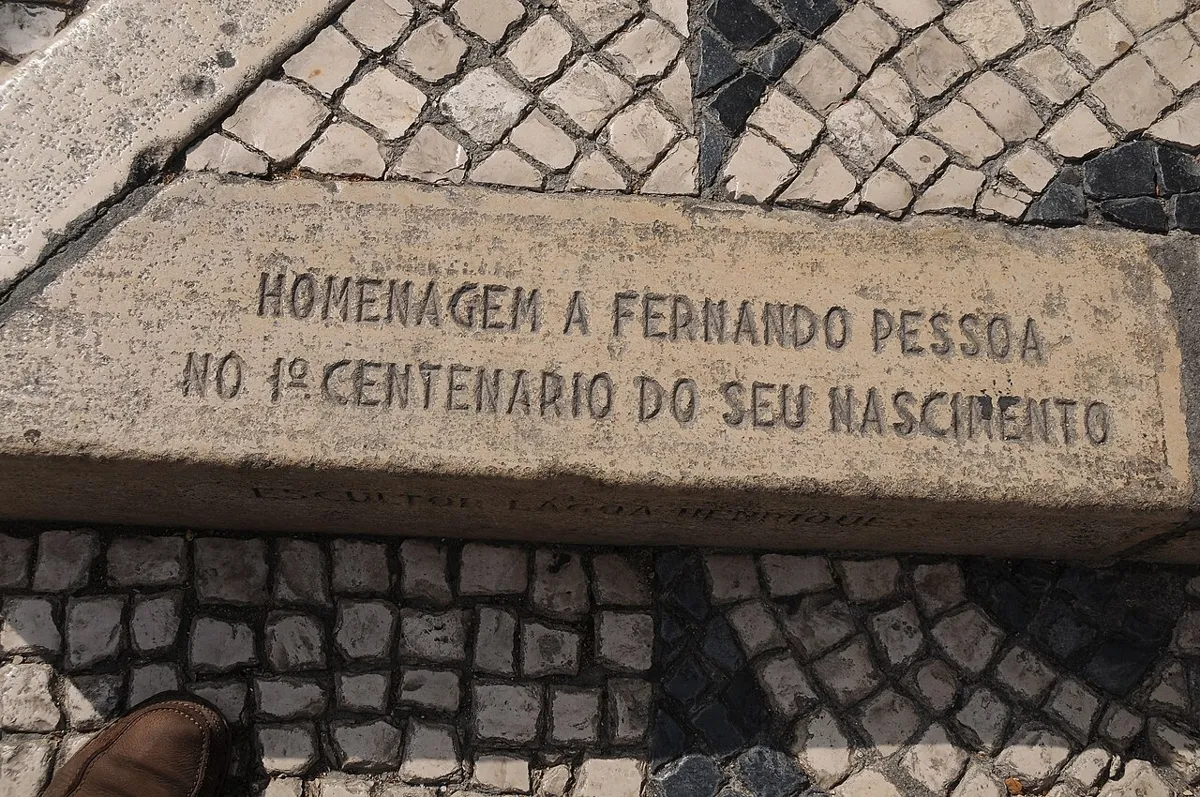
Chiado earns its place on the shortlist through specific literary stops. Livraria Bertrand is a bookshop you can build some browsing time around. A Brasileira is a café with a statue of Portuguese writer Fernando Pessoa seated at a table.
Choose Chiado if those kinds of stops are part of the trip you want. Its literary appeal is a good reason to stay; it is not a reason to assume every room will be quiet or every entrance easy to reach.
Alfama and Mouraria: two different cultural draws
Alfama suits travellers who want historic surroundings and museums with something substantial to say. The Museu do Fado explores Fado music. The Museu do Aljube examines Portugal’s twentieth-century dictatorship inside a former prison for political prisoners, giving a museum visit a direct connection to the history being told.
The practical cost of staying in Alfama is significant: expect steep walking, while narrow streets can make taxi access difficult. Accommodation tends towards small boutique hotels and apartments. Choose it when the cultural appeal outweighs the effort of getting yourself and your luggage to the door.
Mouraria, another historic district, adds a contemporary food dimension. Around Rua do Benformoso, a street within the neighbourhood, immigrant-run groceries and restaurants reflect communities with roots in Bangladesh, China, Cape Verde, Mozambique and elsewhere.
Shortlist Mouraria if exploring that food and grocery culture appeals more than making literary landmarks your focus. Historic surroundings here do not mean an escape from tourism: crowds and more limited transport options are part of the reported compromise.

Decide how much nightlife belongs outside your door
Cais do Sodré is a waterside district with a strong dining and nightlife draw. Pink Street is one of its nightlife focal points. Time Out Market adds another reason to make food part of your stay.
Choose it if eating out and going out are positive reasons for booking nearby. Weekend noise can affect accommodation, so the street and room position matter more than the neighbourhood name alone.
Bairro Alto is another nightlife choice, with a cultural history behind its bohemian identity. In the 1980s, students and artists were drawn here by the musical and intellectual freedom that followed Portugal’s dictatorship. Stay here if late evenings are part of the attraction. If quiet nights matter, choose another base.
Príncipe Real offers a different focus: neighbourhood gathering places and green spaces. Praça das Flores is a square where people gather on benches and terraces. Jardim do Príncipe Real is the neighbourhood park.
Put Príncipe Real on your shortlist if sitting in a square or spending time in a park sounds like a welcome part of the day. That appeal is separate from bedroom quietness, which still depends on the property.
Avenida da Liberdade and Arroios: follow a different priority
Avenida da Liberdade is worth considering when accommodation style carries more weight than staying amid older streets. Its accommodation profile leans towards luxury hotels, with boutique, midrange and budget options also described. The area can feel somewhat removed from tourist bustle, at the cost of the older neighbourhood atmosphere.
Arroios makes a more focused case for travellers interested in Lisbon’s cultural diversity. International cuisine sits alongside traditional shops and cultural spaces. Choose it because those everyday discoveries appeal, rather than assuming it offers cheaper rooms or easier access.
Belém and Parque das Nações: choose them for their own character
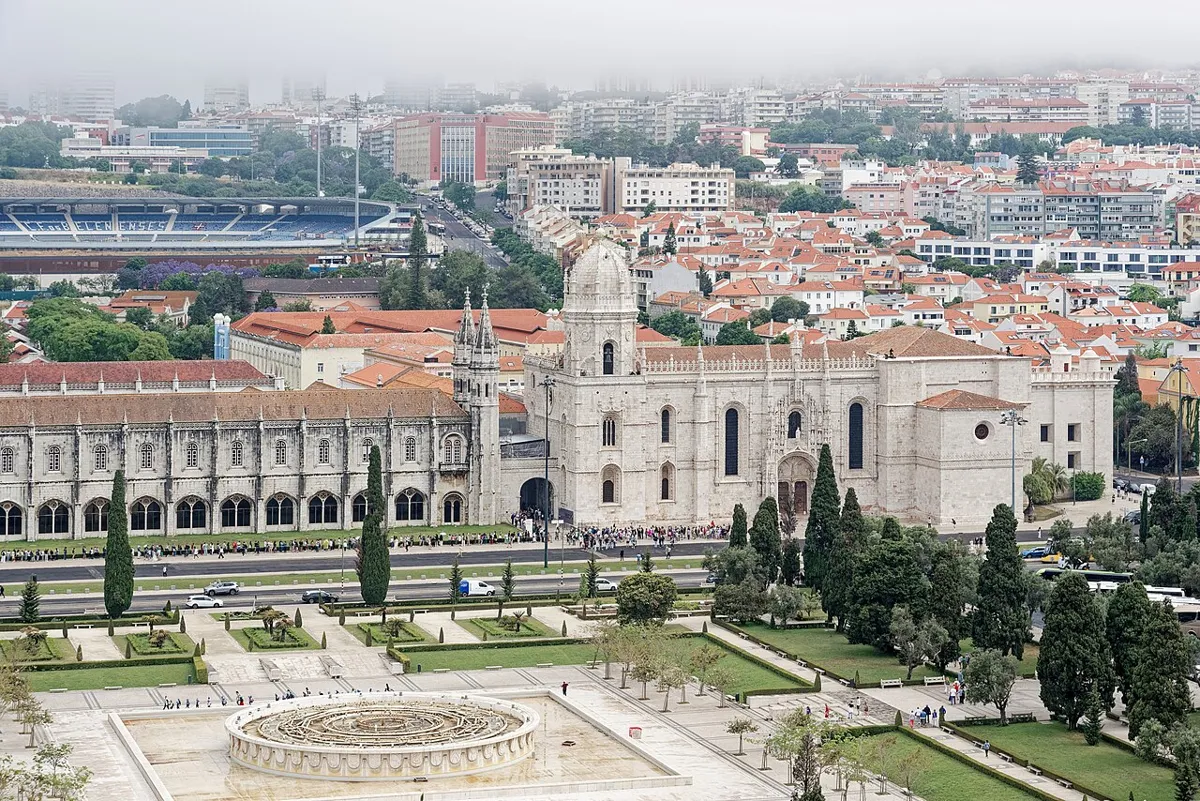
Belém is a riverside district whose monuments reflect Portugal’s seafaring history. Its gardens, squares and elaborate monuments make that heritage the main reason to consider a stay here. Mosteiro dos Jerónimos, a monastery, is one of the district’s major cultural draws. Torre de Belém is another, alongside the food stop Pastéis de Belém.
Choose Belém when that concentration of heritage is central to your trip. It offers a different focus from a stay built around Chiado’s literature or the older districts’ street life.
Parque das Nações is an eastern district developed around Expo ’98, the 1998 world exposition. The Oceanário de Lisboa aquarium gives it a clear attraction around which to shape a stay, and the area includes large business hotels.
Consider it if the aquarium and the Expo-era setting are strong draws. The compromise is separation from the historic atmosphere of older Lisbon; it is a distinct choice, rather than an interchangeable alternative to Alfama or Baixa.
Check the property details that could change your choice
In Alfama, ask where a taxi can actually drop you off and what steps or slopes remain between that point and the entrance. In Cais do Sodré or Bairro Alto, check whether the room faces nightlife streets. Those specific details can decide whether a neighbourhood’s appeal translates into the stay you want.